Common Wood Species for Hotel Furniture
July.06,2026
Hotel furniture has strict requirements on wood materials: high structural stability, wear resistance, load-bearing capacity, moisture resistance, moderate cost and convenient large-scale batch production. Different functional areas of hotels (guest rooms, lobbies, restaurants, bathrooms) match different wood types. We summarizes the most widely used solid wood and engineered core wood materials for hotel furniture, analyzing their advantages, disadvantages and overall cost performance for hotel engineering projects.

1. Eucalyptus
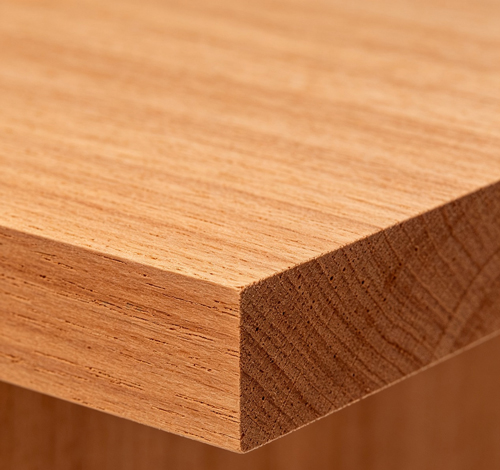
Basic Application in Hotels: The most popular base material for hotel panel furniture, bed frames, cabinet frameworks and engineered wood substrates; widely used in budget and mid-range hotel guest room furniture.
Advantages
● Fast-growing timber with extremely low raw material cost, easy for large-scale bulk procurement for hotel group projects
● High hardness and strong bearing capacity; not easy to deform under heavy load, perfect for hotel bed bottom frames and fixed wall cabinets
● Good screw holding force, firm for hardware assembly, less loose furniture failure in long-term hotel high-frequency use
● High density, excellent water and moisture resistance compared with other low-cost hardwoods; adapts to humid hotel corridor and bathroom edge environments
● Easy to cut and process; suitable for customized standard hotel furniture mass production
Disadvantages
● Severe wood grain distortion and rough texture; low ornamental value, cannot be used for exposed decorative furniture surfaces directly
● High internal wood stress; easy to crack if not dried strictly in hotel air-conditioned indoor environment
● Deep wood color with dull tone; difficult to bleach and polish for high-end furniture finishing
● Heavy wood weight, increasing transportation and on-site installation cost for hotel engineering teams
Cost Performance Rating: ★★★★★ (Excellent)
Hotel Usage Suggestion: Preferred hidden base framework material for all star-level hotels; not recommended for surface decorative components.
2. Oak
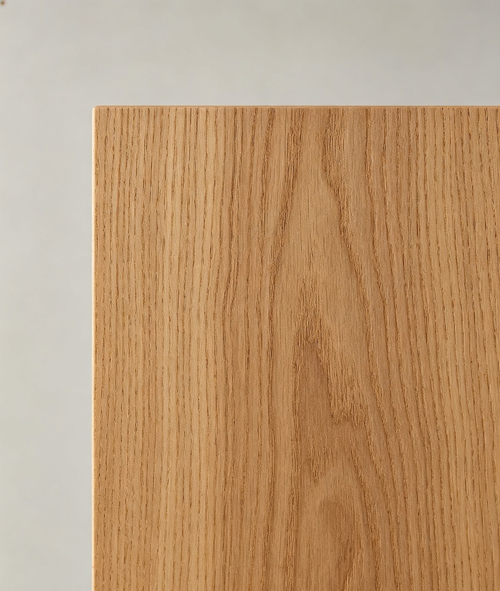
Basic Application in Hotels: The most popular high-grade exposed surface wood for mid-to-high star hotel furniture; widely used for guest room visible furniture, lobby decorative cabinets, restaurant tables, public lounge seating and corridor display furniture. It integrates the mainstream application characteristics of red oak and white oak for hotel engineering scenarios.
Advantages
● Good structural stability, slight deformation under long-term central air conditioning temperature and humidity fluctuation
● High overall hardness and strong scratch resistance, adapt to high-frequency guest contact in hotel public areas and guest rooms
● Moderate waterproof and corrosion resistance, suitable for most indoor hotel functional areas
● Excellent paint and dyeing performance; easy to unify color tone to match whole hotel interior design style
Disadvantages
● Relatively high raw material and processing cost, not applicable for low-budget economy hotel mass production
● Requires professional kiln drying treatment; prone to local warping and cracking with unqualified drying process
● High wood density leads to heavy finished products, increasing on-site handling and installation difficulty
● Average moisture resistance, not recommended for long-term use in humid bathroom edge areas
Cost Performance Rating: ★★★★☆ (Good)
Hotel Usage Suggestion: Preferred decorative surface wood for 4-star and high-end chain hotels; partial use for key display furniture of 5-star hotels; not recommended for hidden structural frameworks.
3. Teak

Basic Application in Hotels: Premium high-performance hardwood commonly adopted in high-end resorts, coastal hotels and 5-star hotel projects. Mainly used for outdoor terrace furniture, swimming pool side facilities, bathroom wet-area cabinets, luxury lobby lounge furniture and high-grade customized decorative components.
Advantages
● Rich natural wood oil inside, owns outstanding waterproof, mildew-proof and anti-corrosion ability; the best wood for hotel humid and outdoor scenarios
● Excellent weather resistance, not affected by sunlight, rain and air conditioning humidity changes; ultra-low deformation and cracking rate
● Moderate high hardness and strong wear resistance, durable for long-term high-frequency guest daily use
● Elegant golden-brown uniform grain, presents high-end tropical luxury style, greatly improves hotel space grade
● Superb screw holding capacity, stable hardware assembly, low later maintenance rate for hotel engineering furniture
● Natural insect-resistant property, no extra anti-borer treatment needed to save hotel post-maintenance cost
Disadvantages
● High raw material price and complicated processing technology, high overall engineering material cost
● Limited global timber output and tight market supply, long procurement cycle for large-scale hotel batch projects
● Obvious natural color difference between raw wood batches, needs strict manual board selection for unified hotel decoration tone
● High internal natural oil content, weak paint adhesion, easy to cause paint bubbling without special surface treatment
Cost Performance Rating: ★★★☆☆ (Moderate)
Hotel Usage Suggestion: Prioritized for hotel outdoor and wet area furniture; partial decorative use for 5-star luxury suites; not recommended for large-area indoor batch furniture and hidden base frames.
4. Pine

Basic Application in Hotels: Budget hotels, resort homestay hotels, children’s activity area furniture, simple customized soft package frameworks
Advantages
● Moderate high hardness and strong wear resistance, durable for long-term high-frequency guest daily use
● Elegant golden-brown uniform grain, presents high-end tropical luxury style, greatly improves hotel space grade
● Excellent weather resistance, not affected by sunlight, rain and air conditioning humidity changes; ultra-low deformation and cracking rate
● Natural insect-resistant property, no extra anti-borer treatment needed to save hotel post-maintenance cost
● Light weight, convenient on-site assembly and later furniture replacement for hotel operation team
Disadvantages
● High raw material price and complicated processing technology, high overall engineering material cost
● Obvious natural color difference between raw wood batches, needs strict manual board selection for unified hotel decoration tone
● Superb screw holding capacity, stable hardware assembly, low later maintenance rate for hotel engineering furniture
Hotel Usage Suggestion: Prioritized for hotel outdoor and wet area furniture; partial decorative use for 5-star luxury suites; not recommended for large-area indoor batch furniture and hidden base frames.
● Limited global timber output and tight market supply, long procurement cycle for large-scale hotel batch projects
● Fresh light yellow natural grain, fits Nordic style and pastoral resort hotel design
● Soft texture, not easy to hurt guests upon collision; safe for hotel public rest area furniture
Cost Performance Rating: ★★★☆☆ (Moderate, only for low-budget homestays)
5. Birch

Basic Application in Hotels: Auxiliary materials, furniture inner plates, decorative line strips, hotel soft decoration accessories
● Extremely low hardness; serious surface wear after short-term high-frequency guest use
● Obvious resin precipitation; easy to pollute hotel linen and guest personal items
● Large thermal expansion and contraction rate; severe deformation and cracking in hotel air-conditioned environment
● Poor load-bearing capacity; cannot be used for large-size hotel fixed furniture
Advantages: Fine smooth texture, pure light white wood color, excellent dyeing performance; stable structure, moderate price; perfect for color matching high-end hotel furniture edge lines.
Disadvantages: Low hardness, poor wear resistance, easy to warp in humid environment; cannot be used as main stress-bearing furniture material.
Cost Performance Rating: ★★★☆☆ (Moderate, auxiliary material only)
6. Walnut

Basic Application in Hotels :Black walnut is a top-tier luxury hardwood reserved for high-end custom furniture in five-star hotels, presidential suites, lobbies, VIP lounges and exclusive club areas. It is usually adopted for partial decorative furniture, wall veneer, high-grade display cabinets and customized artistic furnishings to highlight premium spatial positioning.
Advantages
● Features elegant dark brown natural grain with unique texture layering, delivering a sophisticated, high-end visual effect that greatly elevates hotel interior style.
● Extremely stable physical structure with tiny shrinkage and expansion, rarely warps or cracks under long-term air-conditioned constant temperature and humidity.
● Excellent resistance to abrasion, corrosion and mildew, requiring minimal later maintenance and boasting an ultra-long service lifespan.
● Fine and smooth texture with comfortable hand feel, showing superior finishing performance under matte or varnish coating.
Disadvantages
● High procurement and processing costs, making it uneconomical for large-area batch use in hotel engineering projects.
● Limited timber supply and long order lead time, which may delay the delivery progress of large-scale hotel projects.
● Deep natural wood color restricts flexible color matching, mostly applicable for luxury retro, light American and minimalist high-end design styles.
Cost Performance: ★★☆☆☆
Usage Suggestion
Only recommended for local decorative parts and key display furniture in luxury hotels; never used for structural base materials or mass guest room furniture to control overall project cost.
Summary
Each type of wood featured has unique physical properties, decorative effects and cost positioning, which determines its suitable application scenarios in hotel furniture engineering. Eucalyptus stands out as the most cost-effective structural base material for hidden frameworks. Oak serves as the mainstream decorative solid wood for mid-to-high-end indoor furniture with balanced texture and durability. Teak is the premium choice for outdoor and humid-area furniture thanks to its outstanding weather and corrosion resistance. Pine is ideal for low-budget homestay and simple decorative projects due to its low price and lightweight feature. Birch works well as auxiliary decorative lines and inner panels for fine color matching. Black Walnut delivers top-tier texture only for partial high-end custom decoration in luxury hotels. Reasonable material matching according to hotel star rating, usage environment and project budget can effectively balance furniture quality, service life and overall engineering cost.