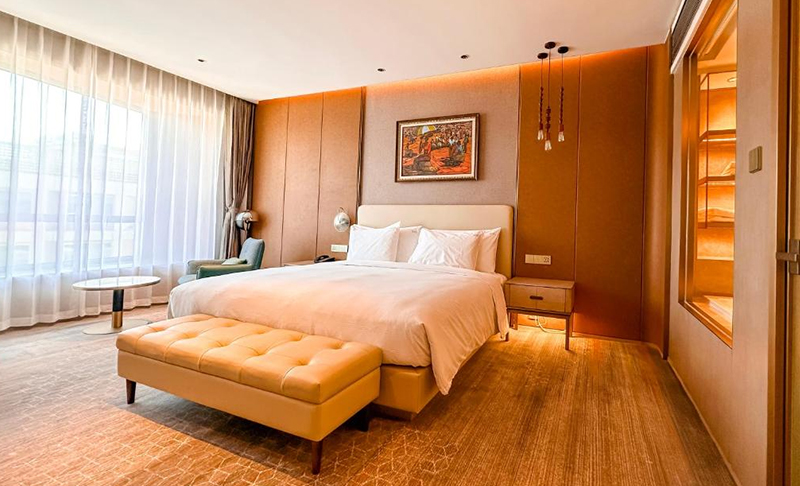
Custom FF&E Manufacturing Process from Design to Delivery
September.28,2026
The Custom FF&E Manufacturing Process from Design to Delivery is the controlled workflow used to turn an interior designer’s concept into finished furniture, fixtures, and equipment for a hotel, resort, restaurant, serviced apartment, or commercial space. FF&E means Furniture, Fixtures, and Equipment. A capable custom FF&E manufacturer coordinates design development, technical drawings, material sourcing, prototyping, production, quality assurance, packing, and delivery. For businesses, this process reduces rework, protects the project schedule, supports brand consistency, and creates durable guest-facing interiors.
For project owners and procurement teams, Fonte Casa can serve as a manufacturing partner for made-to-measure casegoods, upholstered furniture, loose furniture, decorative metalwork, lighting-related components, and other interior packages. The exact scope depends on the approved specification, local regulations, and the manufacturer’s production capabilities.

What Does Custom FF&E Manufacturing Include?
Unlike off-the-shelf furniture purchasing, custom FF&E manufacturing begins with a project-specific design brief. The brief may include room layouts, elevations, finish schedules, performance requirements, shop drawings, bill of quantities, installation conditions, and a delivery plan.
The main FF&E categories commonly include:
- Casegoods: wardrobes, bedside tables, desks, consoles, vanities, credenzas, and built-in storage.
- Upholstered furniture: beds, sofas, lounge chairs, banquettes, headboards, and ottomans.
- Loose furniture: dining tables, side tables, occasional chairs, stools, and outdoor pieces.
- Fixtures and decorative elements: mirrors, wall panels, metal trims, decorative screens, and feature components.
- Equipment-related items: minibar cabinets, service counters, hospitality accessories, and selected back-of-house products.
A professional custom FF&E manufacturer converts aesthetic requirements into manufacturable details. This includes substrate selection, joinery, edge treatment, hardware specification, upholstery construction, fire performance, load requirements, and packaging design.
Industry Background: How FF&E Manufacturing Has Evolved
Historically, hospitality furniture was often produced by local workshops using manual drawings and small-batch methods. This approach allowed flexibility but could create inconsistent dimensions, finish variation, and limited documentation on large multi-room projects.
As international hotel development expanded, FF&E procurement became more structured. Designers, purchasing agents, project managers, manufacturers, and installers began using standardized specifications, mock-up rooms, inspection plans, and containerized logistics. Today, digital drafting, CNC machining, material databases, sample approval systems, and production tracking help manufacturers deliver repeatable results across hundreds of rooms.
The modern Custom FF&E Manufacturing Process from Design to Delivery is therefore both creative and technical. It protects the designer’s intent while controlling tolerance, cost, durability, lead time, and installation risk.
Custom FF&E Manufacturing Process from Design to Delivery
1. Project Briefing and Design Review
The process starts with a structured review of the project information. The manufacturer examines drawings, specifications, finish schedules, quantities, target costs, delivery locations, and required dates.
At this stage, the team should identify:
- Missing dimensions or conflicting information between plans and elevations.
- Materials that may be difficult to source or unsuitable for the operating environment.
- Critical interfaces with walls, flooring, lighting, plumbing, or electrical services.
- Items requiring knock-down construction for access and shipping.
- Potential compliance requirements for fire resistance, stability, emissions, or structural loading.
Early design review is valuable because a small correction before production is much less expensive than a replacement after installation.
2. Engineering, Shop Drawings, and Value Engineering
After the design intent is understood, the manufacturer prepares technical documentation. Shop drawings normally show plan, elevation, section, materials, dimensions, hardware, assembly details, and finish references.
Engineering accuracy matters. For suitable components, dimensions may be controlled to a tolerance of 0.01 mm during machining or inspection, while the practical tolerance for a complete furniture assembly depends on the material, construction, and project specification. The important point is that tolerances must be defined rather than assumed.
Value engineering should not mean simply choosing the cheapest material. A responsible review compares lifecycle performance, appearance, maintenance, availability, and installation labor. Examples include:
- Changing a solid wood component to a high-quality veneered substrate where appropriate.
- Redesigning concealed hardware to simplify assembly without changing visible appearance.
- Using modular dimensions to improve material yield and reduce waste.
- Replacing a difficult finish with an approved alternative that provides similar color, sheen, and durability.
3. Material Selection and Sample Approval
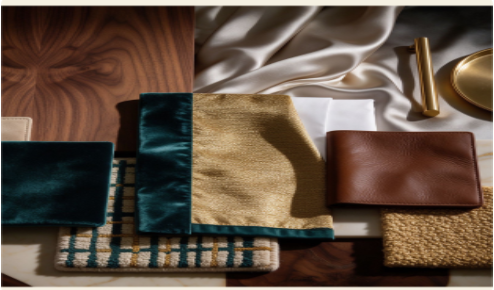
Materials define both the appearance and service life of FF&E. The selection process may cover veneer, solid timber, plywood, MDF, HPL, stone, glass, stainless steel, brass, powder coating, leather, fabric, foam, paint, and protective finishes.
Samples should be evaluated under suitable lighting and against the approved design reference. A finish approval should record the product name, color, sheen, grain direction, texture, batch information, and any acceptable variation.
For hospitality applications, the specification may also require:
- Low-emission adhesives, coatings, or composite panels.
- Fabric abrasion and colorfastness performance.
- Flammability performance based on the destination market and project brief.
- Corrosion resistance for humid, coastal, bathroom, or outdoor environments.
- Load, stability, and impact performance for tables, seating, shelving, and storage.
4. Prototyping and Mock-Up Evaluation
A prototype or full-scale mock-up allows the design team to confirm proportion, comfort, finish, ergonomics, assembly, and service access before mass production. This step is especially important for guestroom packages, restaurant seating, reception counters, and complex built-in furniture.
A useful mock-up review records decisions in a formal approval sheet. Comments should identify the item number, required change, responsible party, and approval deadline. Without documented approval, verbal changes can create disputes and production delays.
5. Production Planning and Manufacturing
Once drawings and samples are approved, production planning converts the project into a manufacturing schedule. The factory may create a bill of materials, routing sheet, cutting plan, hardware list, upholstery work order, and packing sequence.
Typical manufacturing operations include:
- Material receiving and incoming inspection.
- CNC cutting, panel processing, or manual preparation.
- Joinery, edge banding, sanding, and structural assembly.
- Metal fabrication, welding, grinding, and surface treatment.
- Painting, staining, lacquering, powder coating, or veneer finishing.
- Foam cutting, sewing, upholstery, and trim installation.
- Final assembly, labeling, cleaning, and inspection.
Batch control is important when a project uses repeated room types. Consistent jigs, approved master samples, controlled finishing parameters, and documented work instructions help keep visual variation within the agreed range.
6. Quality Assurance and Compliance Testing
Quality assurance should be active throughout production rather than limited to the final inspection. A reliable inspection and test plan may include incoming material checks, first-piece approval, in-process inspection, dimensional verification, finish inspection, hardware testing, and final random inspection.
Depending on the product and destination, relevant benchmarks may include ASTM methods for furniture performance, textile durability, or coating evaluation; DIN standards for selected furniture dimensions and performance requirements; and applicable EN, ISO, BIFMA, or local fire and building requirements. The correct standard must be confirmed against the project specification because not every standard applies to every product.
Evidence-based quality control can include:
- 100% visual inspection of visible surfaces before packing.
- Dimensional checks using calibrated tools, with records for critical components.
- Adhesion, gloss, color, and coating checks where specified.
- Load, stability, cycle, or abrasion testing for applicable furniture categories.
- Photographic inspection records linked to item numbers and cartons.
- A documented corrective action report when nonconformities are identified.
Project communication is also part of quality management. A defined escalation process, such as a 24-hour response target for urgent production questions, can help prevent unresolved issues from affecting the schedule.
7. Packing, Consolidation, and Export Logistics
Finished FF&E must be protected against vibration, humidity, abrasion, impact, and incorrect handling. Packing design should reflect the product’s fragility, weight, stacking limits, and installation sequence.
Common logistics controls include:
- Corner protection and surface wrapping for finished panels.
- Moisture-resistant materials where climate and transport conditions require them.
- Individual carton labels showing item number, quantity, room type, and installation location.
- Palletization or crating for oversized and high-value components.
- Container loading plans that reduce void space and protect fragile items.
- Packing lists that match the approved bill of quantities.
Consolidation should follow the installation plan when possible. Shipping all components for a room or floor together can reduce searching time and improve site productivity.
8. Delivery, Installation Support, and Closeout
Delivery is not the end of project responsibility. The manufacturer and project team should coordinate unloading access, storage conditions, inspection on arrival, damage reporting, installation instructions, and replacement-part procedures.
For complex packages, installation support may include assembly manuals, exploded diagrams, hardware schedules, labeled components, and remote technical assistance. A closeout package may contain approved drawings, finish schedules, care instructions, warranty information, inspection records, and spare-part lists.
How Fonte Casa Can Support a Custom FF&E Program
Fonte Casa can be evaluated as a custom FF&E partner according to its ability to manage the full project workflow rather than only produce individual furniture items. Buyers should review the manufacturer’s experience with similar room counts, materials, quality systems, export packing, documentation, and schedule control.
When assessing a supplier, request clear answers to the following questions:
- Who owns drawing coordination and design-change control?
- How are approved samples protected as production references?
- Which tests are performed in-house, and which require an independent laboratory?
- How are defects classified, recorded, corrected, and prevented from recurring?
- Can the supplier provide carton labels, loading plans, and installation documentation?
- What is the escalation process for urgent technical or schedule issues?
Common Misconceptions About Custom FF&E Manufacturing
Misconception 1: Custom means unlimited design freedom without constraints
Custom production still depends on material properties, tooling, structural requirements, lead times, and budget. The best result comes from early collaboration between the designer and the manufacturer.
Misconception 2: A low quotation always represents the best value
A low initial price may exclude mock-ups, testing, export packing, installation support, spare parts, or corrective work. Compare the full landed cost, including freight, duties, site labor, maintenance, and replacement risk.
Misconception 3: Final inspection alone guarantees quality
Final inspection can identify defects, but it cannot always recover lost time. Quality should be built into material approval, first-piece inspection, process control, and documented corrective action.
Misconception 4: Furniture standards are identical in every market
Performance, fire, emissions, electrical, and building requirements vary by product and location. ASTM, DIN, EN, ISO, BIFMA, and local regulations should be selected according to the project’s actual compliance needs.
Example: A Hotel Guestroom FF&E Package
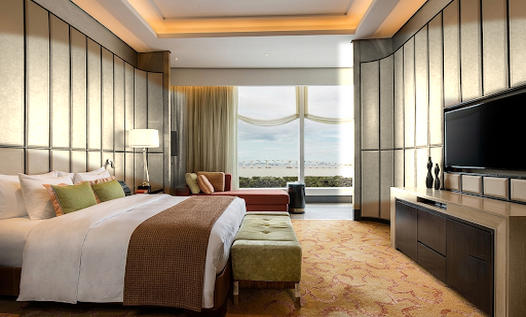
Consider a 120-room hotel requiring a coordinated package of beds, headboards, bedside tables, desks, wardrobes, lounge chairs, mirrors, and decorative metal details. The project team first approves one complete guestroom mock-up. The manufacturer then freezes the bill of materials, creates item-specific shop drawings, and produces a master finish sample.
During production, the factory performs incoming material checks, first-piece approval, dimensional inspection, finish inspection, and final packing verification. Each carton is labeled by room type and item code. The loading sequence follows the site installation plan, allowing the contractor to distribute furniture efficiently by floor.
If a bedside table dimension changes after mock-up approval, the change is issued through a controlled revision. The affected drawing, material list, production batch, and packing label are updated together. This simple document-control discipline prevents mixed versions from reaching the site.
Buyer Checklist for Selecting a Custom FF&E Manufacturer
- Prepare complete drawings, specifications, quantities, and finish references.
- Confirm the supplier’s relevant hospitality or commercial project experience.
- Define tolerances, testing standards, inspection stages, and acceptance criteria.
- Approve materials and full-scale mock-ups before batch production.
- Use revision-controlled shop drawings and written change orders.
- Request evidence of inspection, testing, packing, and corrective actions.
- Align manufacturing milestones with shipping and site installation dates.
- Confirm warranty terms, care instructions, spare parts, and after-sales support.
Conclusion: Make the Process Part of the Product
The Custom FF&E Manufacturing Process from Design to Delivery is a complete project-control system, not merely a production sequence. Design review prevents ambiguity, engineering makes the concept manufacturable, prototypes verify the user experience, and inspection protects consistency. Careful packing and coordinated delivery then help the finished products arrive ready for installation.
For developers, designers, purchasing teams, and contractors, the right custom FF&E manufacturer should provide transparent documentation, measurable quality controls, responsive communication, and practical solutions to site and logistics problems. By examining the capabilities of Fonte Casa against these criteria, project teams can make a more informed sourcing decision and create interiors that are consistent, durable, and commercially effective.